31 models from 60W charging to 240W EPR and USB4. Aluminum, zinc-alloy or molded housing; braided or plain jacket; length, colour and packaging set per order.
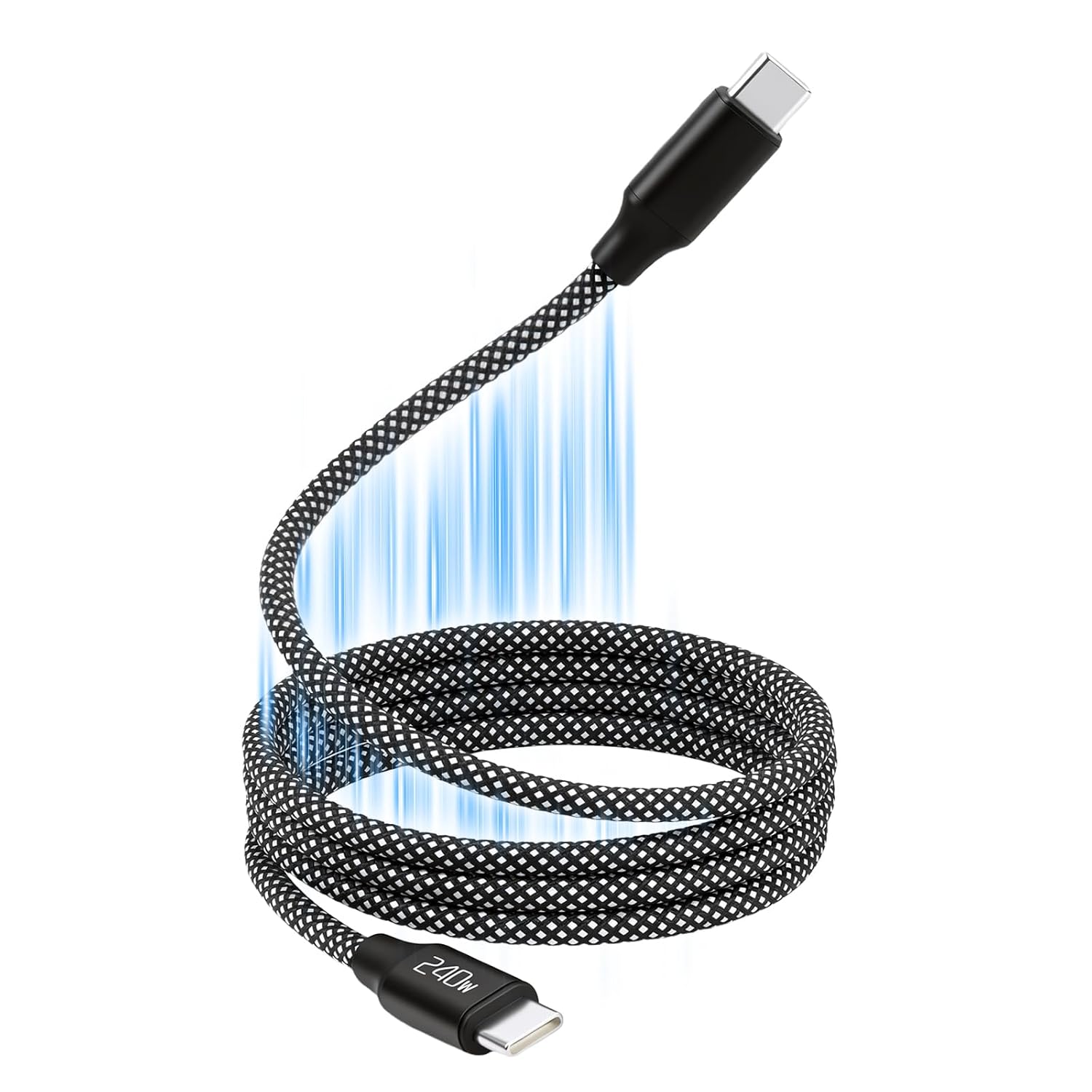
USB C to USB C 240w 3ft/1m Magnetic Charging Cable
View details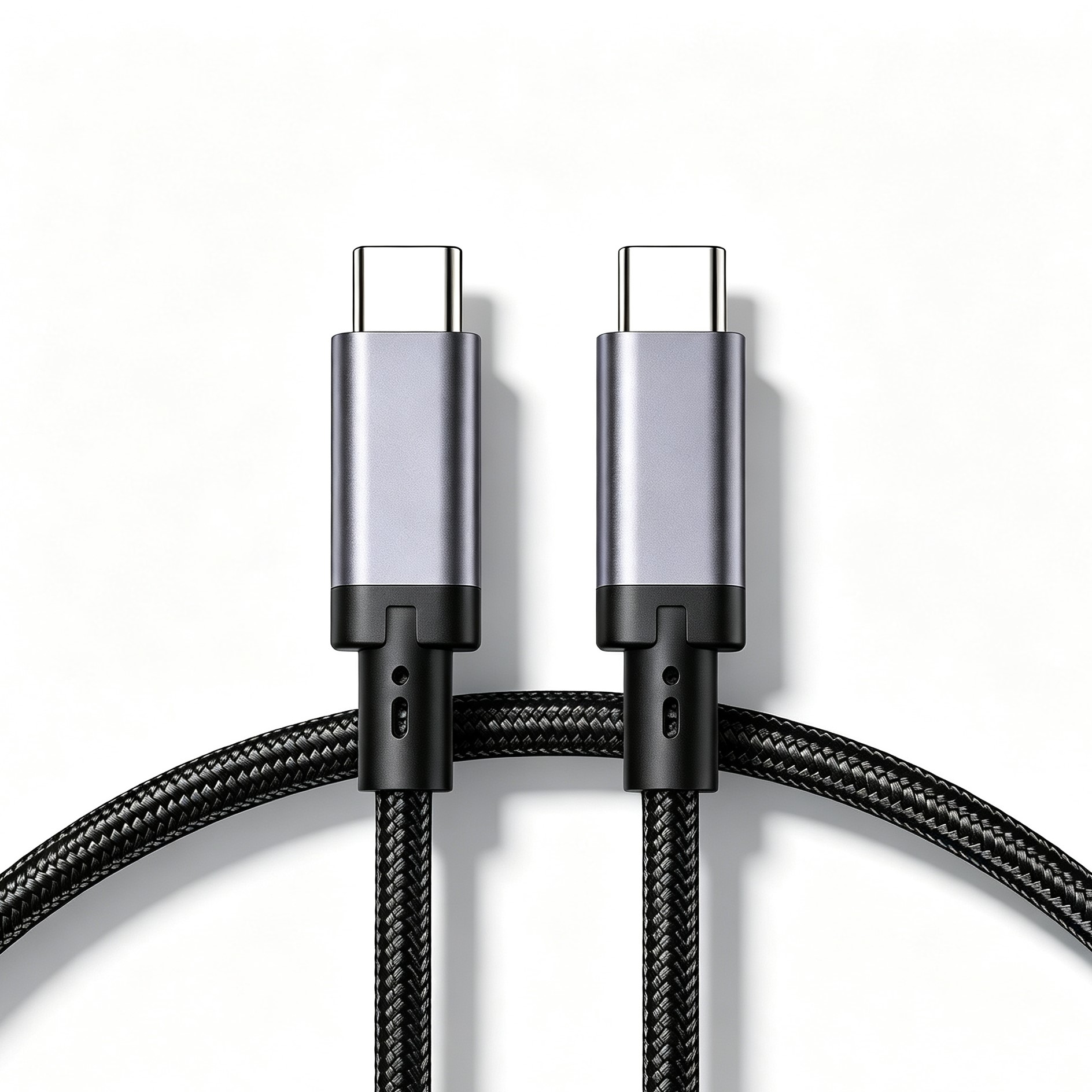
240W USB C to USB C Cable for Thunderbolt 4/3, USB4 Gen4 80Gbps, 5ft
View details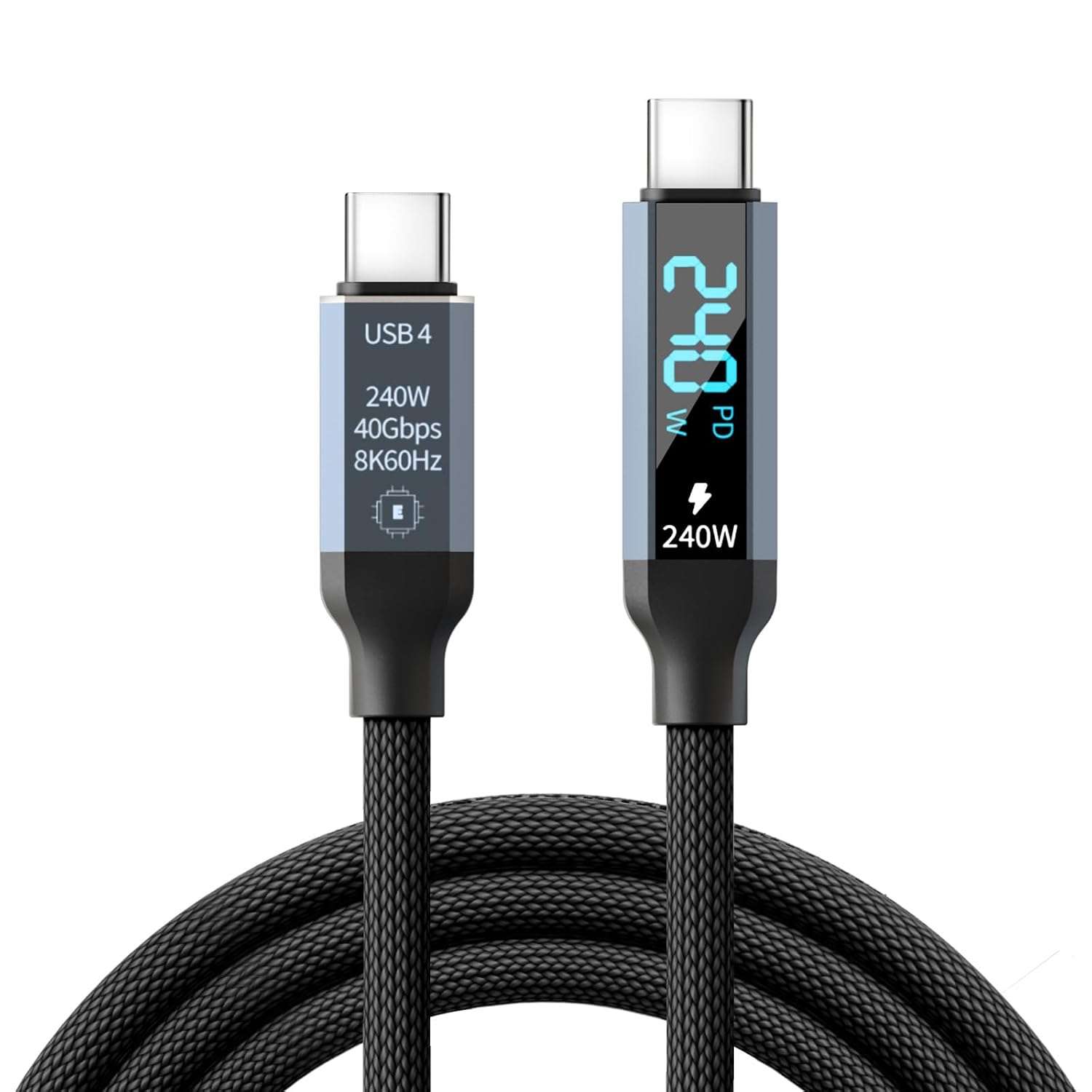
LED Display USB C 240W Fast Charging Cable ,Thunderbolt 4/3 compatible
View details
PD Fast Charging Molded TPE Data Cable
View details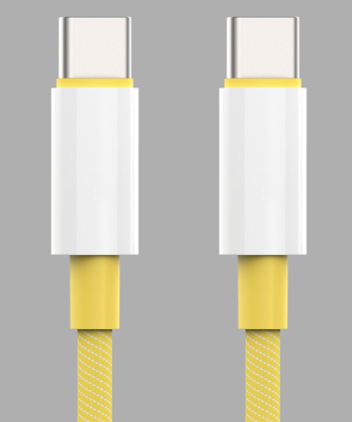
PD 100W Fast Charging Plastic-Housing TPE Data Cable
View details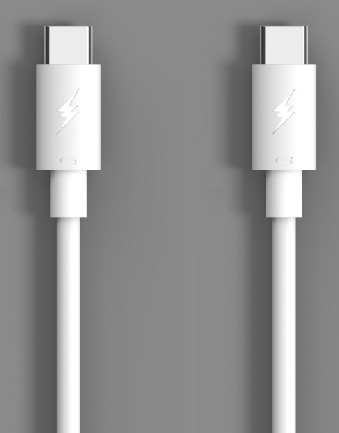
TPE 5A USB-C Cable
View details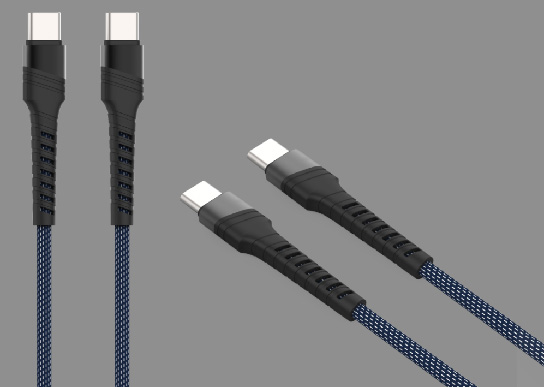
PD Fast Charging Aluminum-Housing Braided Data Cable
View details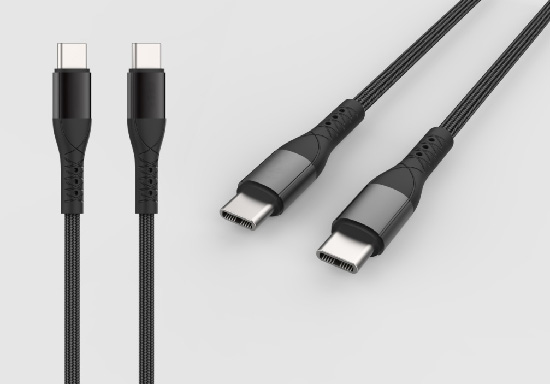
PD Fast Charging Aluminum Alloy Non-Lighted Cable
View details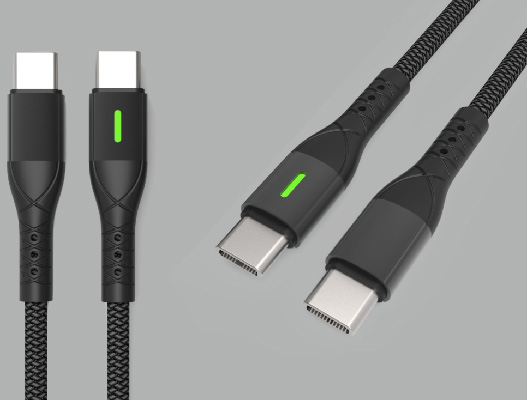
PD Fast Charging Aluminum Alloy Single-Sided LED-Lighted Cable
View details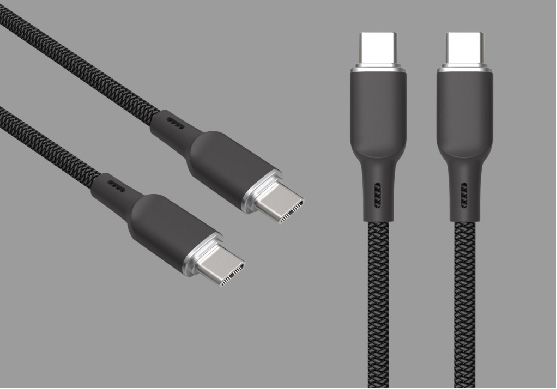
Type-C-to-Type-C PD fast-charge zinc-alloy non-indicator cable
View details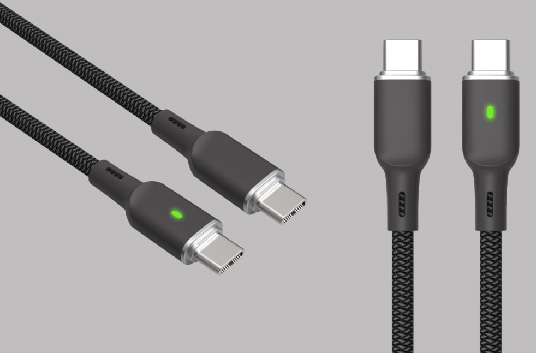
Type-C-to-Type-C PD60W zinc-alloy dual-side LED indicator cable
View details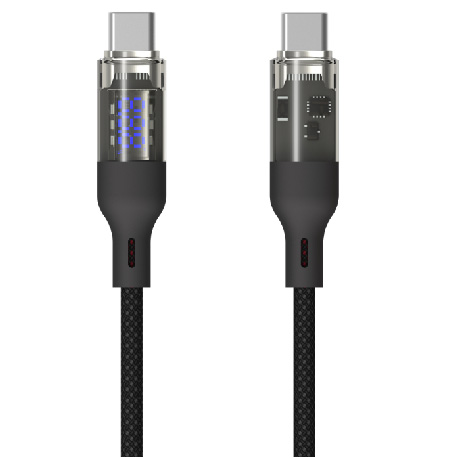
Type-C-to-C 240W transparent braided cable
View details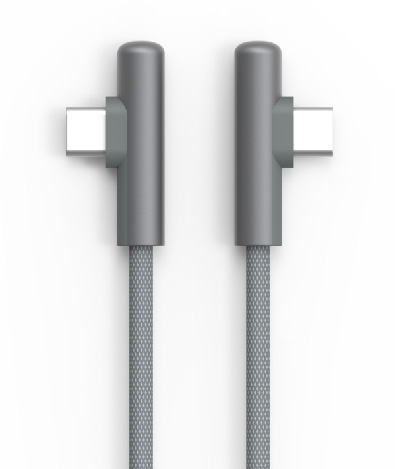
Right-angle Type-C-to-C 60W aluminum-shell braided cable
View details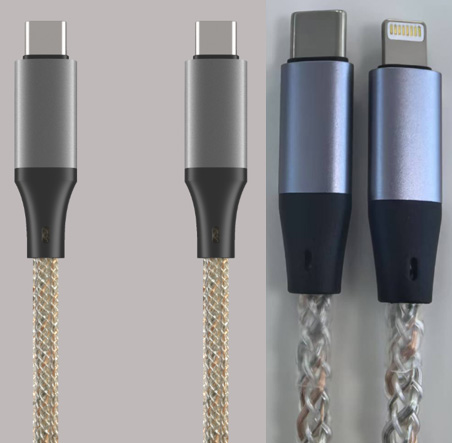
Type-C-to-Type-C PD60W RGB glowing cable
View details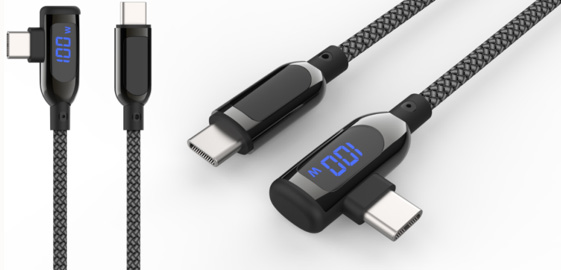
Right-angle Type-C-to-Type-C zinc-alloy braided cable with power-display
View details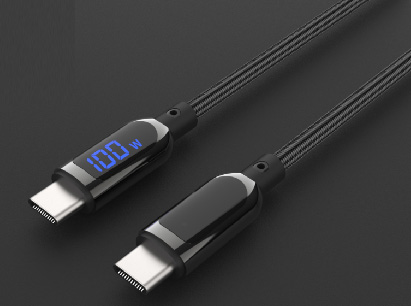
Type-C-to-Type-C zinc-alloy braided cable with power-display
View details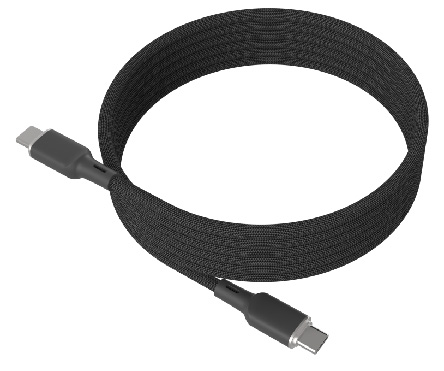
Type-C-to-C magnetic-attraction braided cable,60W-100W
View details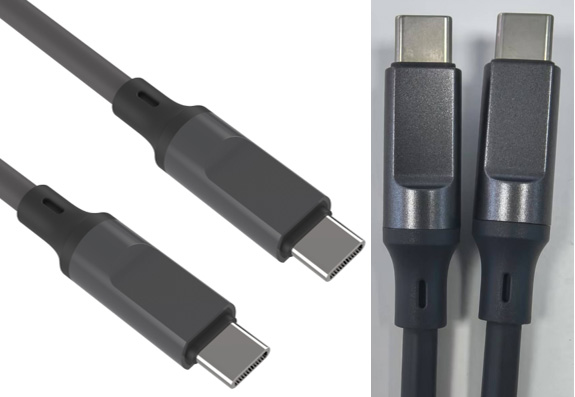
Type-C-to-C PD60W braided cable with ABS simulated-aluminum shell
View details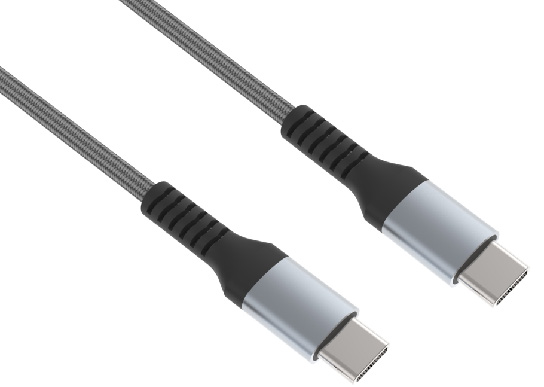
USB C-C PD60W braided cable
View details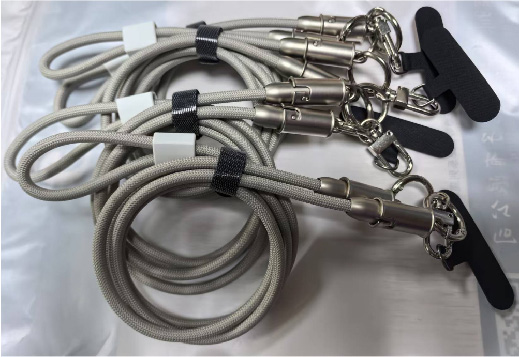
Type-C male to Type-C male 60W lanyard-style braided cable
View details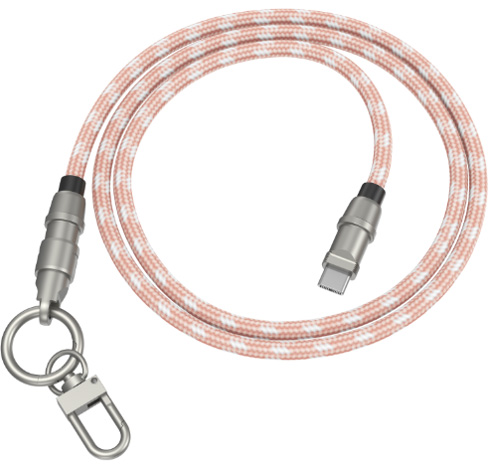
Type-C male to Type-C male 60W lanyard-style braided cable
View details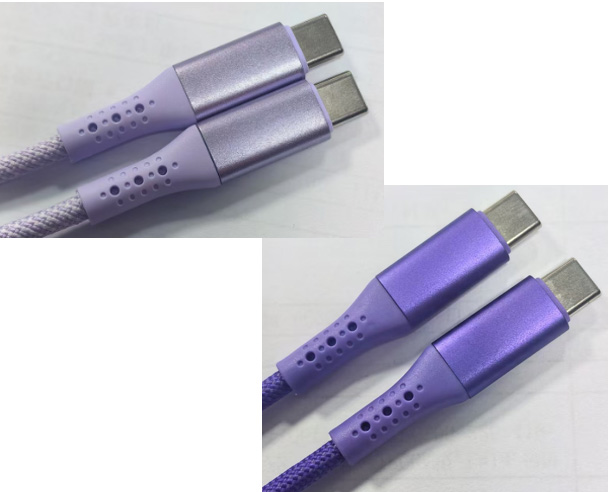
USB C-C PD100W / 60W braided cable
View details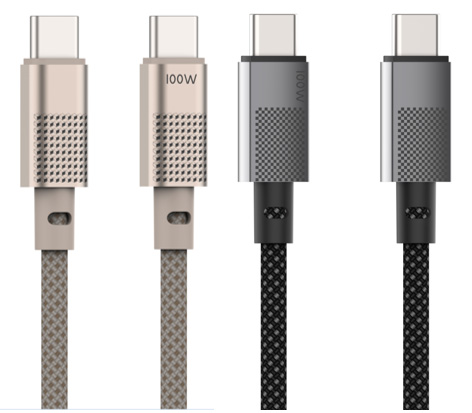
USB C-C PD60W braided cable
View details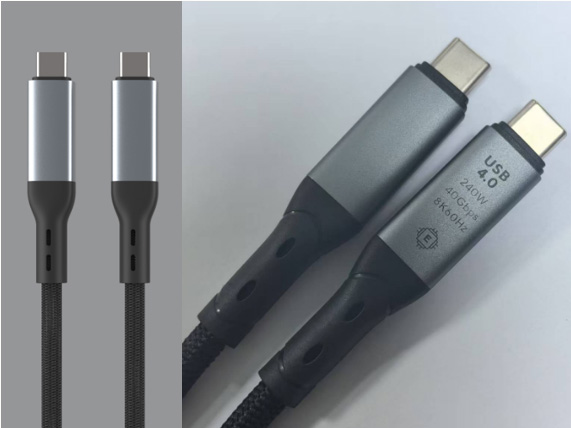
Type-C male to Type-C male 240W braided cable
View details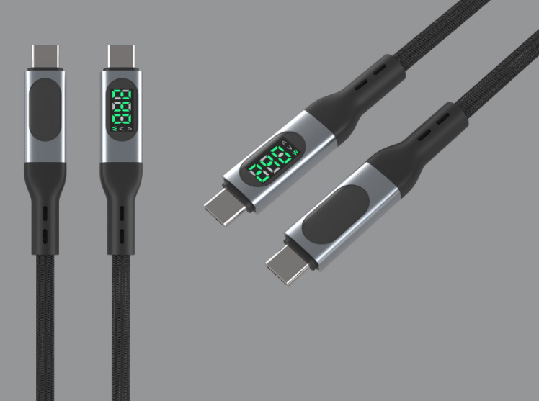
Type-C male to Type-C male 240W cable with power-readout display
View details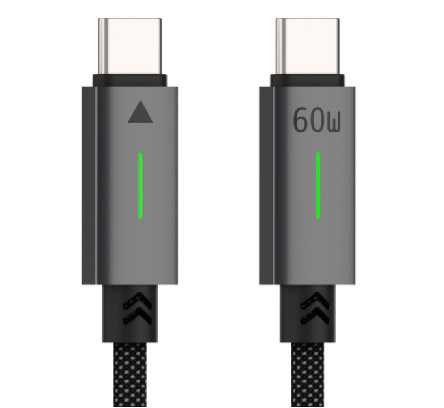
C-to-C PD60W constant-LED indicator cable series
View details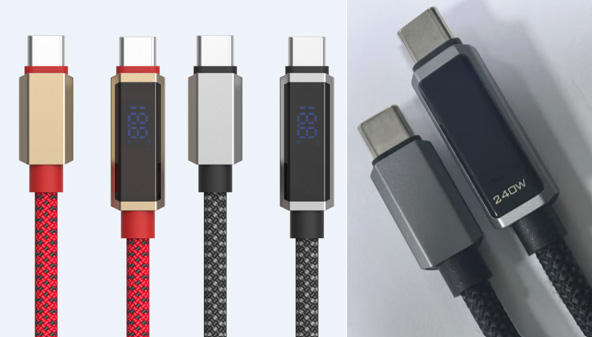
C-to-C PD60W/100W/240W running-LED indicator cable series
View details
USB-C to USB-C PD 240W braided cable, zinc-alloy housing
View details
USB-C to USB-C PD 100W braided cable, aluminum-alloy housing
View details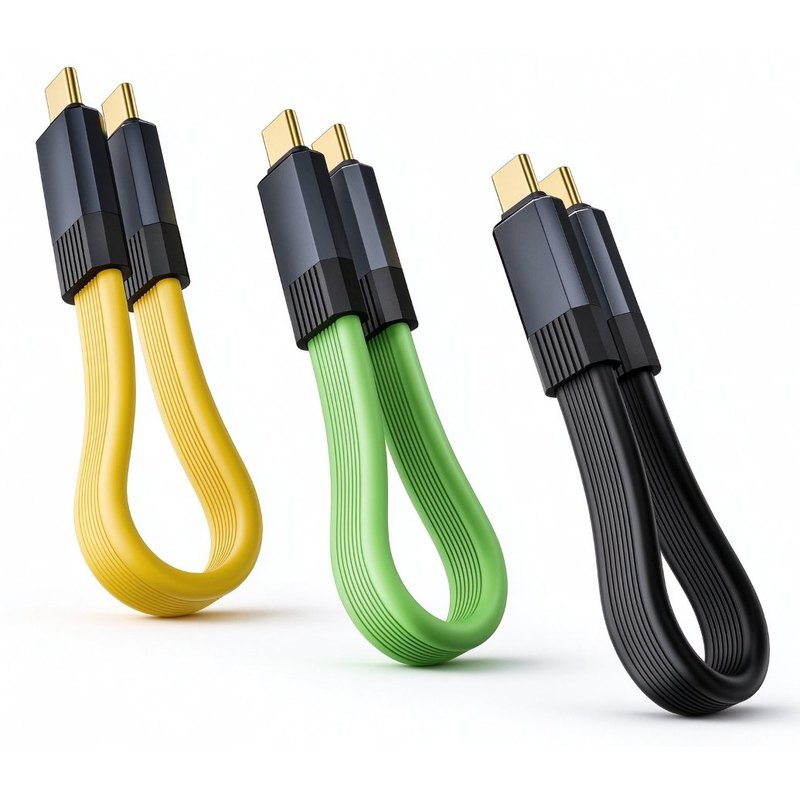
USB-C to USB-C flat cable, USB 3.2 Gen 2 (10Gbps)
View details
USB-C to USB-C short charging cable
View detailsHow to narrow 31 USB-C models down to the three you need
Start from the rating the device needs, not from the cable. 60W (3A at 20V) covers phones and most tablets. 100W (5A at 20V) covers laptops. 240W (5A at 48V EPR) is required by the newest 16-inch class of notebooks. A cable can never exceed what its E-marker declares, so the chip is the real gate - a 100W build with a 240W label is a return waiting to happen. Our E-marker guide explains what to write into the spec.
Then choose the housing for the retail tier. Aluminum and zinc-alloy shells carry the premium SKUs; molded TPE and plastic shells carry volume and promotional SKUs. Braiding adds abrasion resistance and shelf appeal but does not change the electrical rating - it is a decorative layer over the extruded jacket, so a braided and a plain version of the same build test identically. That is why this whole range can sit on one UL 9990 Type II platform.
Data rate is a separate decision. USB 2.0 at 480Mbps is enough for charging-first SKUs and is what most retail listings actually are. USB 3.2 Gen 2 at 10Gbps and USB4 at 40-80Gbps need a full shielded pair set and add cost quickly, so they belong in docking, storage and display SKUs. If you are unsure which tier a listing needs, the power ratings breakdown works through the arithmetic.
| Retail tier | Rating | Conductor | E-marker | Jacket / shell | Where it sells |
|---|---|---|---|---|---|
| Volume / promo | 60W (3A, 20V) | 22-20AWG | 60W or none | TPE, molded | Gift packs, promo, phone retail |
| Mainstream | 100W (5A, 20V) | 20AWG | 100W | TPE + braid, aluminum shell | Laptop + phone combo SKUs |
| Premium | 240W (5A, 48V EPR) | 20AWG, 48V insulation | 240W EPR | Braid, zinc-alloy shell | 16-inch notebooks, USB4 |
| Data-first | 60-100W + USB 3.2 / USB4 | 20AWG + shielded pairs | Per rating | Aluminum or zinc-alloy | Docking, storage, displays |
Conductor gauge, jacket compound and E-marker rating are what force a new build. Length and colour do not.