23 USB-A to USB-C models rated 3A, 5A and 6A in aluminum, zinc-alloy, plastic and molded TPE housings - the volume tier of the charging cable market.
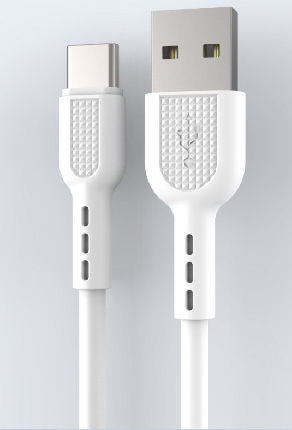
Molded Data Cable
View details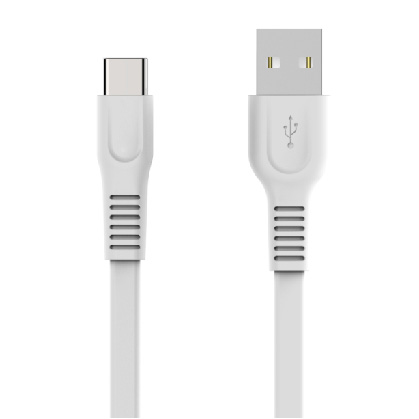
U-Shaped Molded Data Cable
View details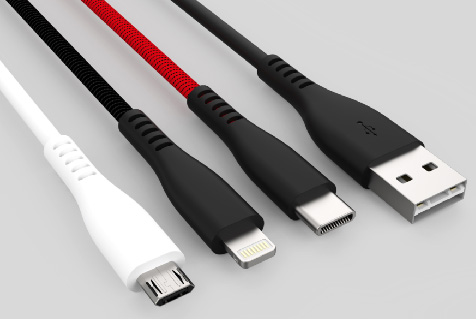
Molded TPE Braided Data Cable with Sensor LED
View details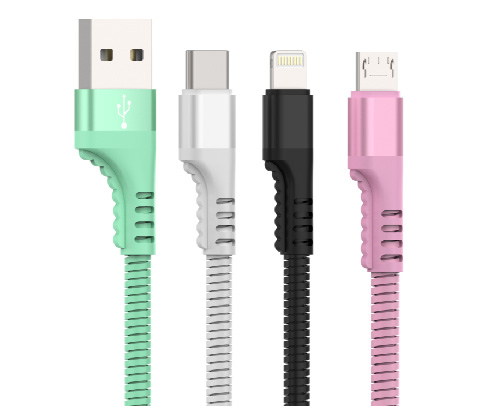
Little Goldfish Spring Data Cable
View details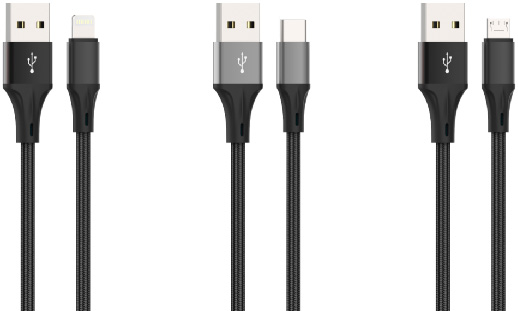
Aluminum-Housing Braided Data Cable
View details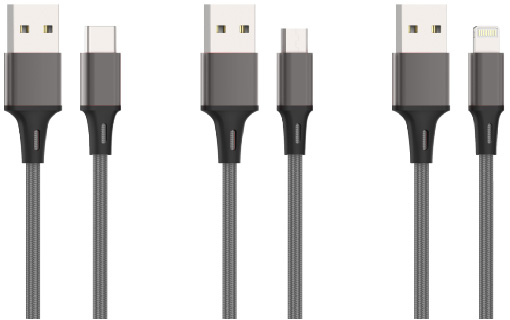
Aluminum-Housing Braided Data Cable
View details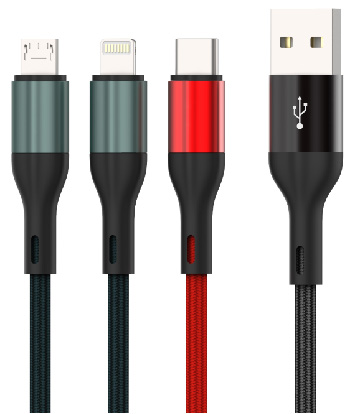
Aluminum-Housing Braided Data Cable
View details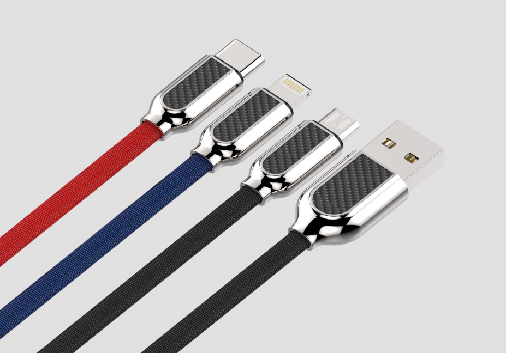
W-Style Zinc Alloy Data Cable
View details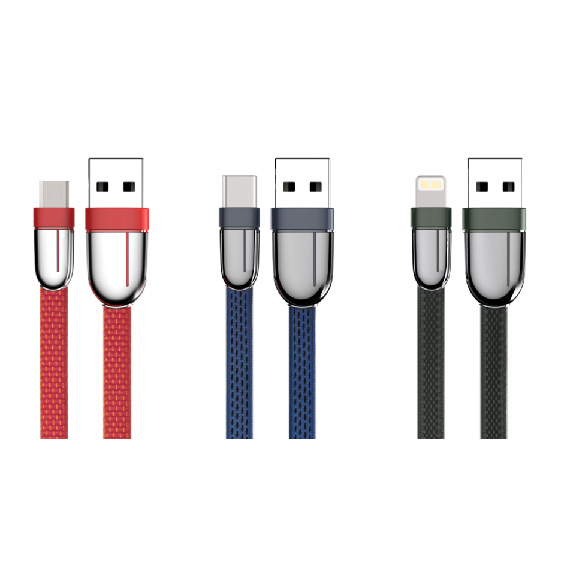
Tumbler-Style Zinc Alloy Data Cable
View details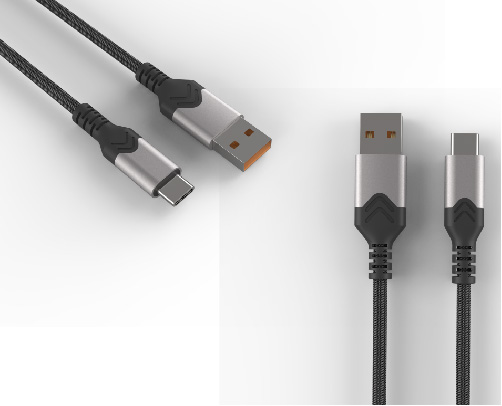
Aluminum-Housing Braided Data Cable
View details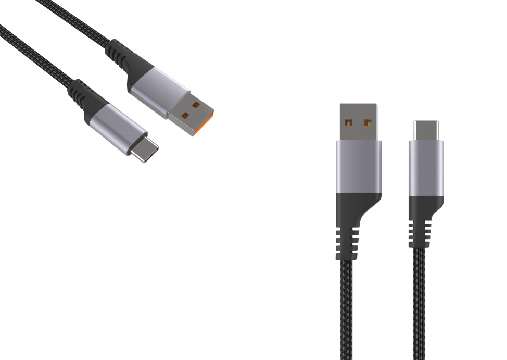
Aluminum-Housing Braided Data Cable
View details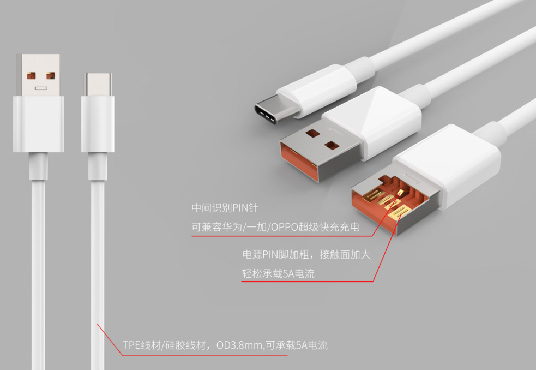
Plastic-Housing Universal USB-C-Compatible Data Cable
View details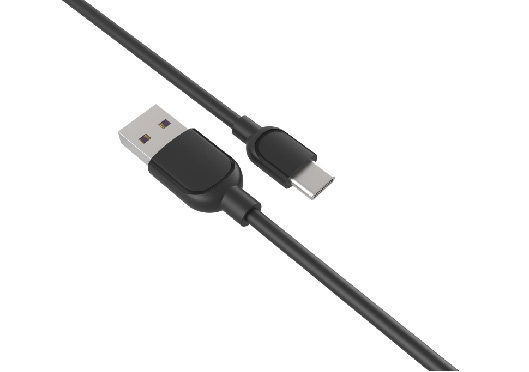
High-Gloss TPE USB-C Cable
View details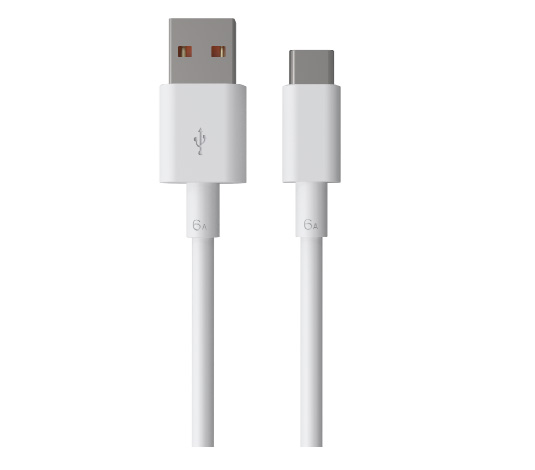
TPE 6A Universal USB-C-Compatible Cable
View details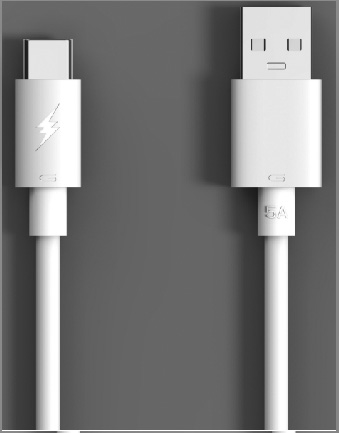
TPE 5A USB-A to USB-C Cable
View details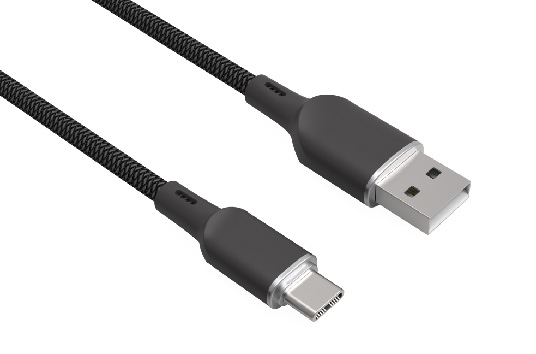
USB-A-to-Type-C zinc-alloy non-indicator cable
View details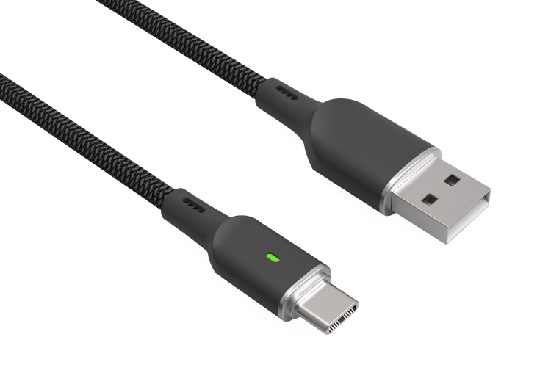
USB-A-to-Type-C zinc-alloy dual-side LED indicator cable
View details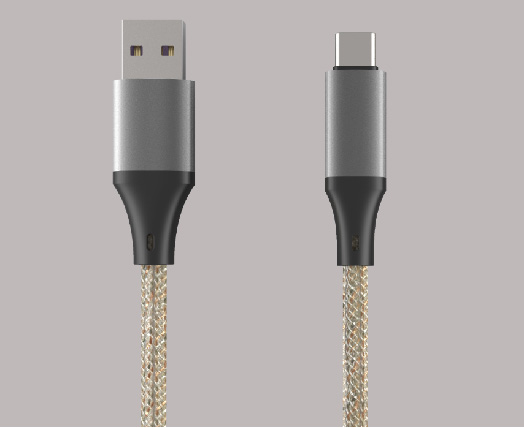
USB-A-to-Type-C RGB glowing cable,3A
View details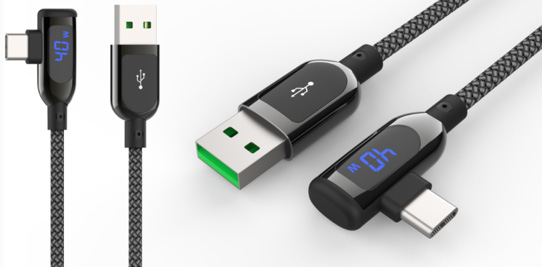
Right-angle USB-A-to-Type-C zinc-alloy braided cable with power-display
View details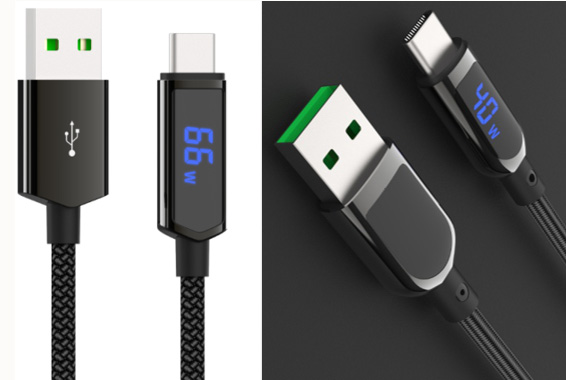
USB-A-to-Type-C zinc-alloy braided cable with power-display
View details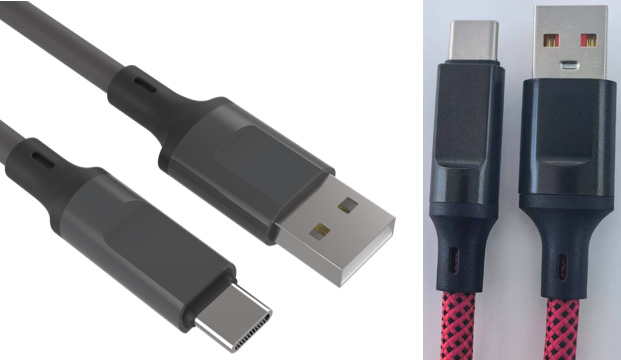
USB-A-to-C 18W &100W imitation-silicone cable
View details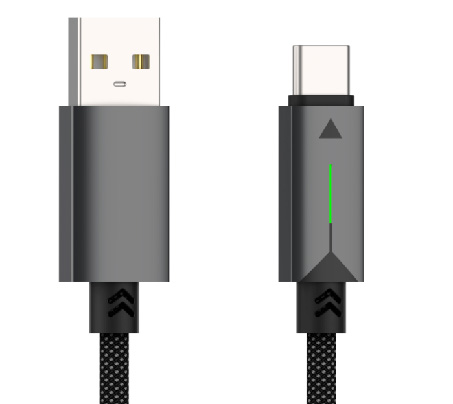
A-to-C constant-LED indicator cable series
View details
USB-A to USB-C slim charging and sync cable
View detailsWhy a USB-A cable cannot really deliver 6A everywhere
A USB-A port has four contacts and no CC channel, so there is no E-marker and no standard way to negotiate 5A. Current is set by the port controller, not by a chip in the cable. A 6A-rated USB-A to C cable therefore only reaches 6A on a charger that uses its own handshake - Huawei SuperCharge and a few regional protocols. On a standard 5V/2A or QC port the same cable delivers 2-3A.
That does not make high-current A-to-C cables pointless. China and parts of Southeast Asia genuinely run proprietary fast charge, and a 6A-rated conductor with a matching 6A connector is required to carry it without heating. The mistake is advertising watts that only appear on one brand of charger, which is a returns problem rather than a technical one. The wire gauge guide shows what each gauge actually carries.
For US and EU retail the honest specification is 3A (15W), or 5A where a QC charger is in the box, plus a data rate. USB 2.0 at 480Mbps is normal at this tier; USB 3.x A-to-C exists but is a small, specialised market served by the USB 2.0 vs 3.2 comparison.
| Rating | Real-world charge | Needs | Typical market |
|---|---|---|---|
| 3A (15W) | 5V/3A on any USB-A port | Standard A port | US / EU volume retail |
| 5A | QC 3.0 or proprietary | Matching charger | Asia retail, OEM bundles |
| 6A | Proprietary only | Brand-specific charger | China domestic, SEA |
| USB 3.2 A-to-C | Data-first, 10Gbps | 10Gbps host | Industrial, docking |
Nothing over USB-A can reach 100W - that needs 20V at 5A negotiated over the USB-C CC channel.