1. Confirm You Can Sell the Category
Electronics accessories sit inside a gated category structure. Expect to provide:
- A professional seller account and category approval where applicable.
- Invoices or purchase orders showing at least two purchases from a brand owner or first-tier supplier, with the buyer's company name, tax details and contact information visible. Suppliers can issue a whitelisted invoice for this purpose.
- Brand authorisation if you are not the brand owner, or a registered trademark if you are.
- Compliance documents for the product itself (below).
Incomplete invoices — missing letterhead, tax number or contact details — are one of the most common rejection reasons. Ask your supplier to issue a proper commercial invoice naming your entity, not a proforma.
2. Get the Certificates Right Before You List
The two certificates that decide whether a cable SKU survives on Amazon US:
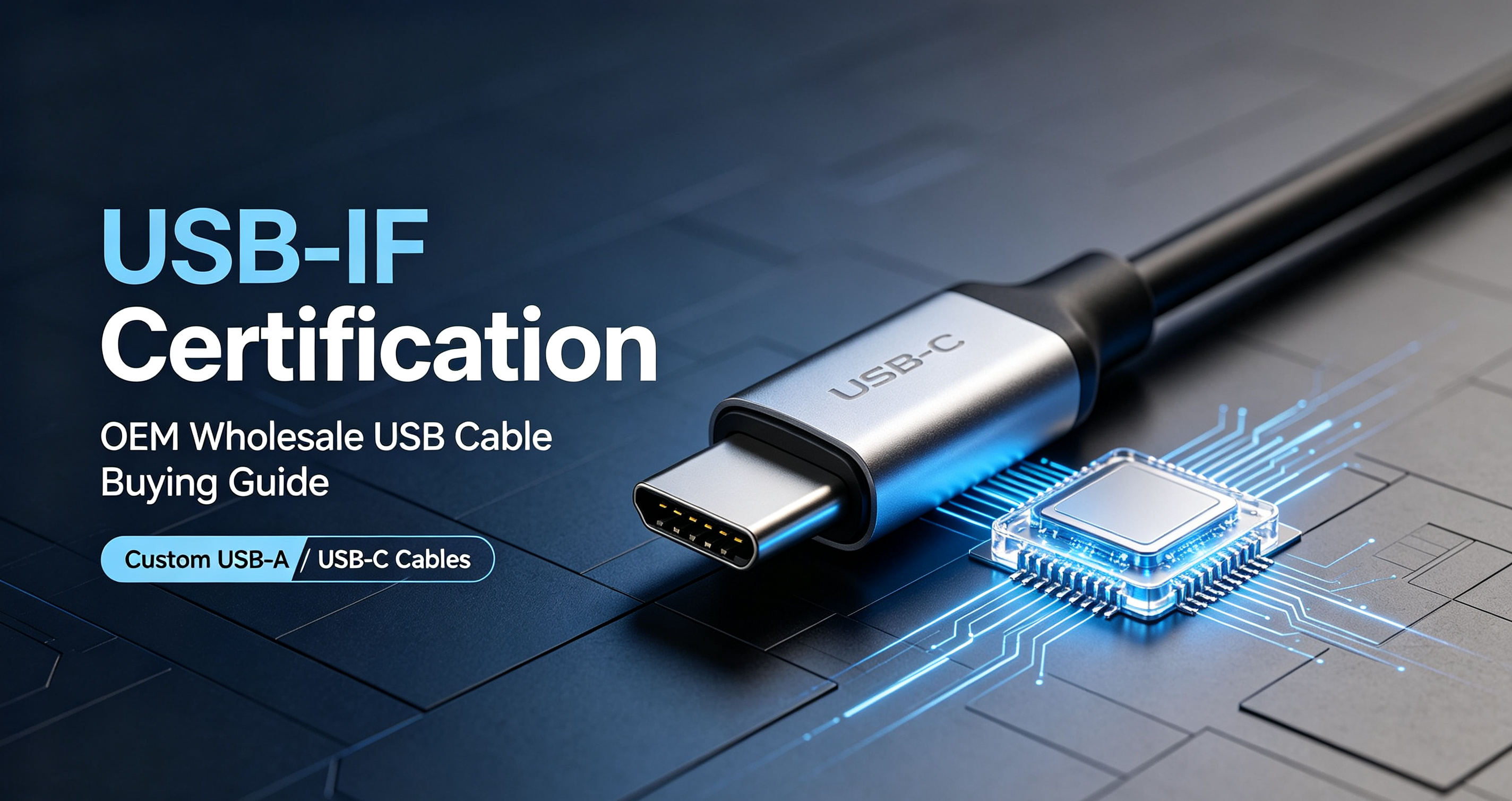
UL 9990 for Type-C cables. Amazon requires a UL 9990 report for Type-C cables, and listings without one are removed. The report may be issued by any NRTL / ISO 17025-accredited lab — it does not have to be UL. Make sure the model number on the report matches your ASIN, and that the rated voltage and current on the report meet your advertised rating. Full detail is in our UL 9990 compliance checklist for US brand buyers.
MFi for Lightning cables. Any cable with a Lightning connector must be MFi certified. Amazon has enforced this since 2022, and counterfeit or uncertified Lightning products are removed and can affect account health. See our MFi certification guide.
Also hold, for the compliance file: FCC Part 15B where applicable, a Prop 65 assessment for California, and CPSIA testing if the product is marketed for children.
3. Write the Listing the Way US Buyers Search
US cable shoppers search in feet, not metres, and they search by connector and use case. The patterns that convert:
- `usb c cable 6ft`
- `usb c to usb c cable 10ft`
- `iphone charging cable mfi certified`
- `usb c cable 100w fast charging`
- `type c charger cable 3 pack`
Practical rules:
- Put the length in feet and the wattage in the title and bullets — for example "USB-C to USB-C Cable 6ft, 100W PD Fast Charging."
- State MFi Certified or UL 9990 explicitly when you hold the certificate; it improves conversion and discourages infringement complaints.
- Avoid loose claims like "fast charging" without a wattage or protocol. Vague performance claims attract both ad rejections and returns.
- Use the main image to show the certificate mark and the actual packaging, not just a rendered cable.
- Do not write "compatible with iPhone" for a non-MFi cable. Amazon treats that as a policy breach.
4. Package for Amazon's Rules
Packaging failures cause removals that have nothing to do with the cable:
- Poly bags must carry a suffocation warning in the required wording and location, or be perforated.
- No loose, unsecured items. Multi-packs should be bundled, bagged or boxed so they arrive as one unit.
- Labels must carry the tracking information and any required markings — and for UL 9990 cables, the specified length and voltage/current markings.
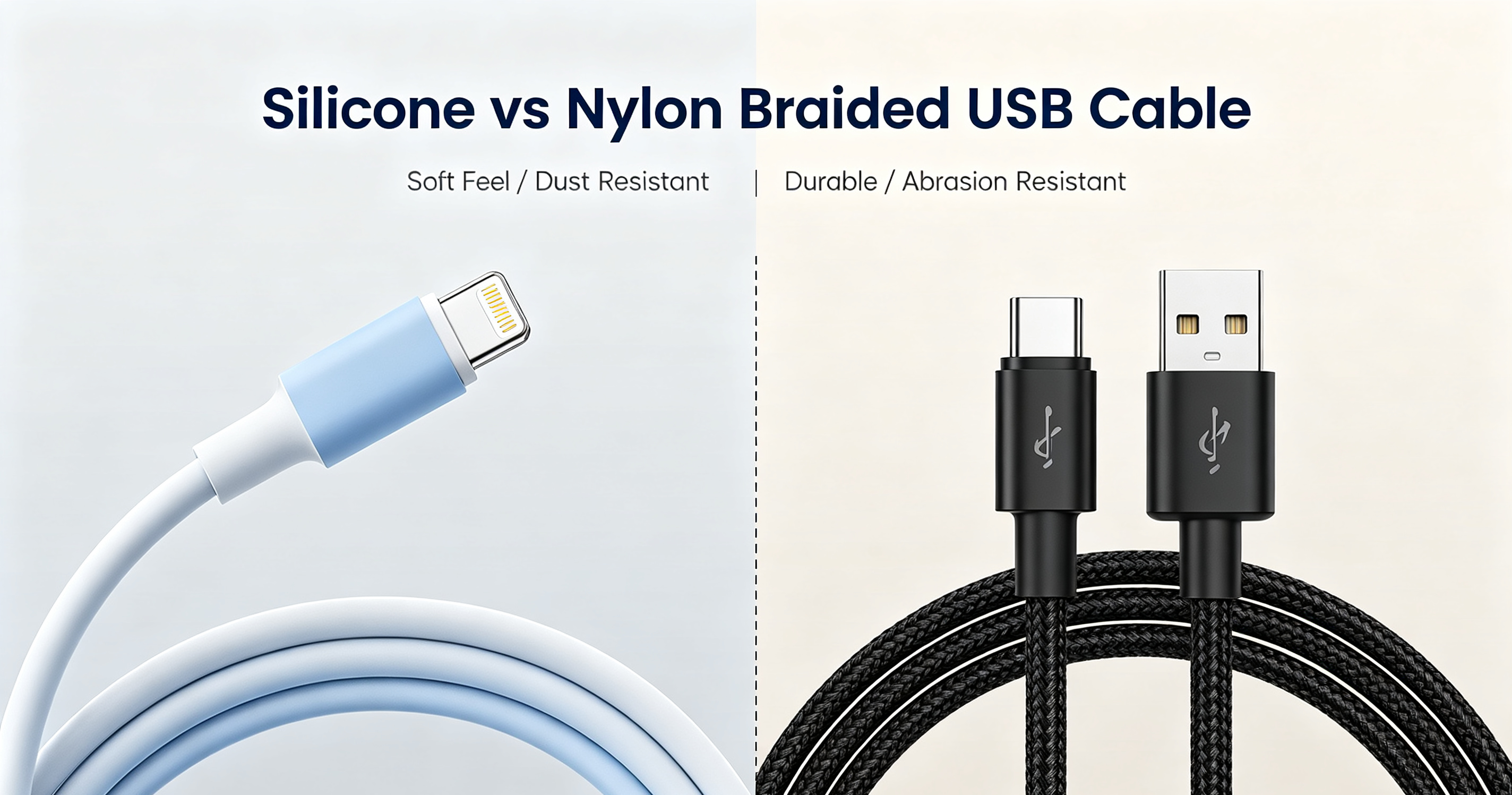
- Renders on the box must match the product. A box showing a braided cable around a PVC cable is a returns generator.
If you are selling to retail as well as Amazon, design one retail-ready pack that satisfies both, rather than two inventories.
5. Plan Fulfilment Around the Numbers
- FBA Small and Light suits light cable SKUs and can cut per-unit fulfilment cost significantly versus standard FBA.
- Keep replenishment cycles short. Connector standards move — the iPhone's move to USB-C changed Lightning demand permanently. Carrying four months of stock on a shifting SKU is how sellers get stuck with dead inventory.
- Watch the landed cost. Since the US de minimis exemption was eliminated, every import needs formal entry and duty, and cables from China carry Section 301 (and, for some constructions, Section 232) duties. This changes your breakeven price. See our import duty and landed cost guide for USB cables.
6. Manage Returns and Account Health
In this category, returns and reviews are the real profit lever:
- Certified cables return far less often than uncertified ones, because the main complaint — "it says unsupported accessory" or "it doesn't fast charge" — is engineered out.
- Respond to A-to-Z claims within 24 hours with replacement or refund. Order Defect Rate is the metric that gets accounts reviewed; keep it well under 1%.
- Do not misdescribe wattage. A cable sold as 100W that delivers 60W generates returns and negative reviews faster than any hardware fault.
- Keep the compliance folder current. When Amazon requests a document, a same-day reply protects the listing; a slow reply is what turns a request into a removal.
7. Pre-Launch Checklist
Before you place the production order:
- [ ] Certificate in hand: UL 9990 (Type-C) and/or MFi (Lightning), naming your model.
- [ ] E-marker rating matches the advertised wattage.
- [ ] Wattage and length stated in the title, in feet.
- [ ] Packaging: suffocation warning, tracking label, required UL markings.
- [ ] Commercial invoice naming your entity for category approval.
- [ ] Landed cost calculated with current duty and entry fees.
- [ ] Sample physically tested for charge speed and connector fit on the target devices.
Work through that list and the cable becomes a routine SKU. Skip it and you are re-listing the same product every quarter.
Sourcing a Cable Built for Amazon US
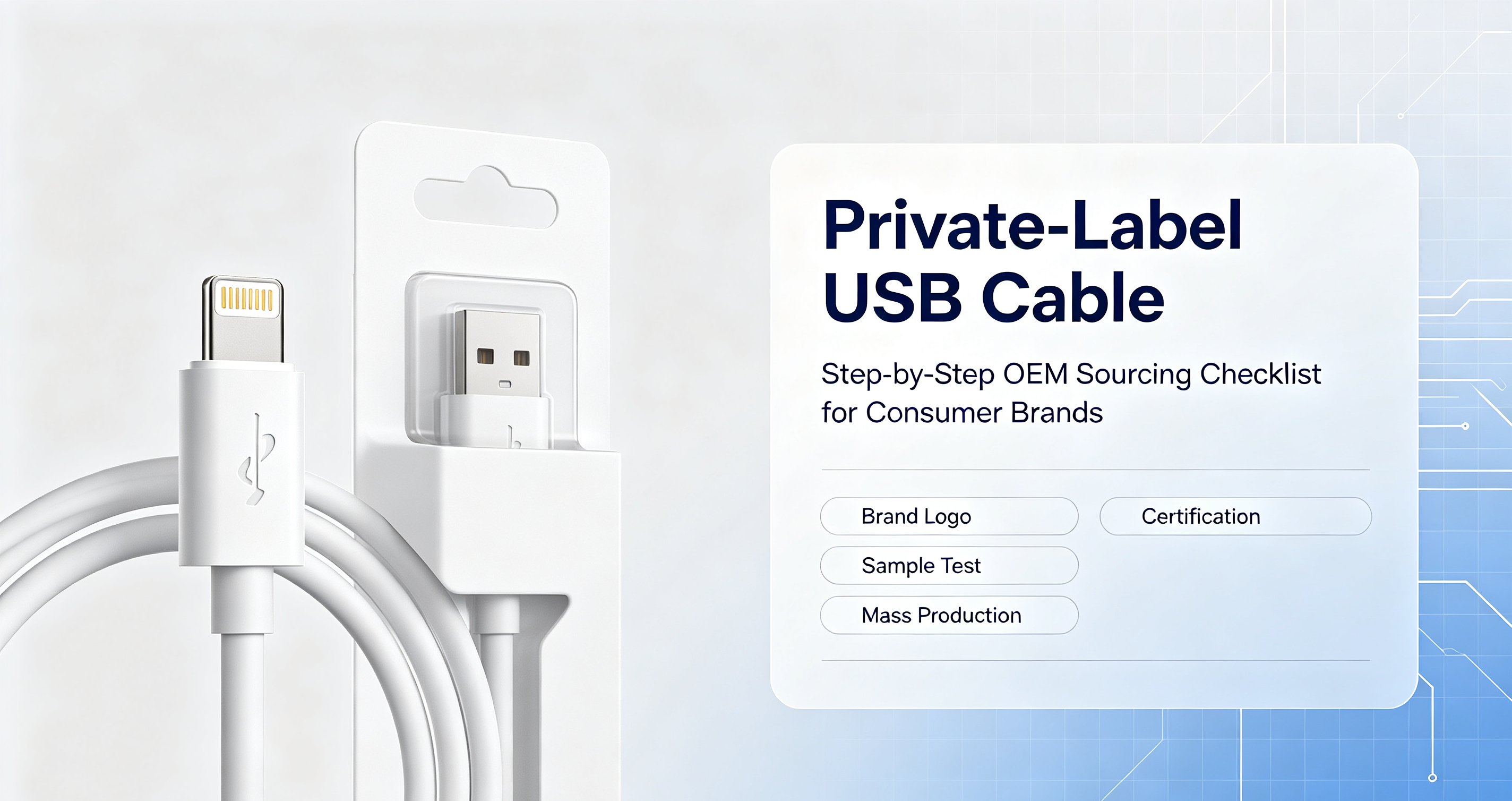
LINKSTRONG supplies USB-C and Lightning cable families to US sellers and brand owners with the documentation side included — UL 9990 test reports, MFi support, FCC and Prop 65 files, and retail-ready packaging that meets Amazon's requirements. Tell us your target ASINs and market, and we will map certification, packaging and landed cost before tooling. See our OEM sourcing checklist for wholesale buyers, or request a specification review.